

Posted by Support Team
on January 23, 2026

Have you ever stared at a skincare shelf wondering “Is this a balm or a salve… and why does it matter?” You’re not alone! Although these two products look similar and often get lumped together, they each have their own purpose, texture, and magical way of helping your skin feel its best. Let’s break it down, whether you’re fighting dry lips, soothing sore skin, or planning your next self-care ritual.
What Is a Balm?
Balms are like that cozy blanket you reach for on a chilly day - thick, protective, and comforting.
Think of a balm as a rich, wax-based protector that sits on your skin and seals in moisture. They’re typically made with a higher concentration of waxes (like beeswax or candelilla wax), which gives them a firmer, almost solid texture.
Common uses for balms:
- Soothing chapped lips
- Locking in moisture on hands or elbows
- Targeted muscle relief after a workout
- Creating a barrier against the elements
Because balms have more wax, they don’t absorb as quickly, but that’s part of the charm! Their protective layer keeps hydration right where you want it.
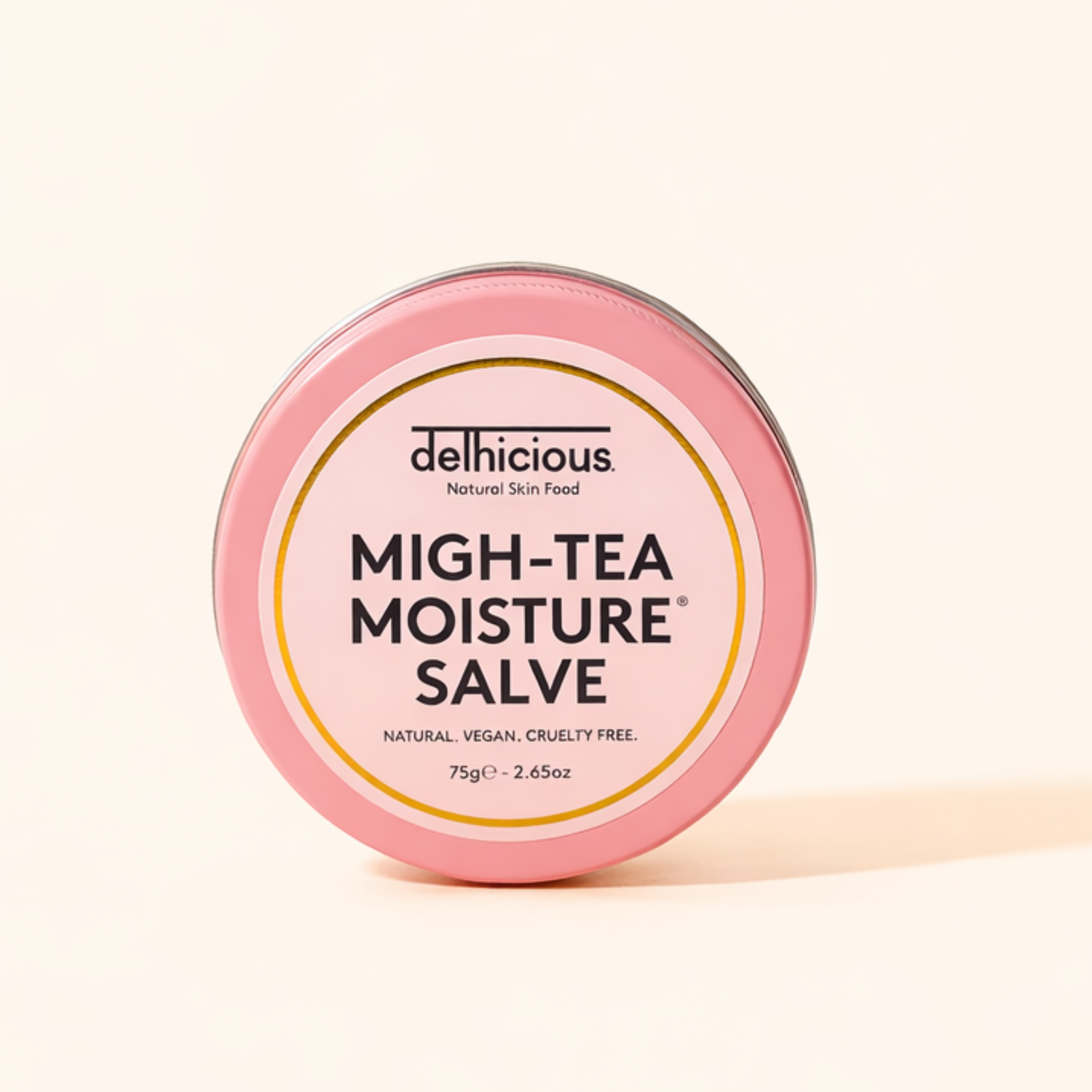
What Is a Salve?
If a balm is a cozy blanket, then a salve is a gentle healing hug that melts right into your skin.
Salves are formulated with more oils and fewer waxes, so they’re softer, more spreadable, and absorb into the skin more rapidly.
Common uses for salves:
- Soothing dry, irritated skin
- Helping heal cuts, scrapes, and burns
- Easing pain and inflammation (with herbal infusions like arnica)
- Treating larger areas without feeling heavy
Their softer texture makes them perfect for applying over bigger surface areas or when you want a bit more penetration into the skin.
Side-by-Side: Balm vs Salve
|
Feature |
Balm |
Salve |
|
Texture |
Thick, firm |
Soft, spreadable |
|
Wax Content |
Higher |
Lower |
|
Absorption |
Slow (forms protective barrier) |
Faster (absorbs into skin) |
|
Best For |
Lips, dryness, protective use |
Wounds, irritation, larger areas |
|
Feel on Skin |
Less greasy, stays on top |
Slightly oilier, sinks in more |
Ingredients That Make the Magic Happen
Although balms and salves share some common components, the ratio really makes the difference.
Frequently used ingredients:
- Beeswax or plant waxes (like candelilla) - gives structure and protection
- Carrier oils (like coconut, jojoba, or almond) - nourish and soften
- Essential oils & herbal infusions - provide scent and therapeutic benefits
Salves usually have more oil and less wax, while balms lean into that rich waxy texture, and that’s why they feel different on your skin!
When Should You Use Which?
Here’s a fun way to think about it:
Choose a balm when you want:
- A protective barrier on the skin
- Long-lasting moisture
- Something that stays put all day
Choose a salve when you want:
- Deep nourishment
- Quick absorption
- A healing boost for irritation or wounds
Both are champions in their own right - it all depends on what your skin craves that day!
Final Thoughts
Balms and salves might seem similar at first glance, but once you understand their textures, ingredients, and best uses, choosing between them becomes easy! Whether you’re soothing chapped lips or comforting dry skin, each product plays a special role in your skincare line-up.
Ready to explore luxurious balms and healing salves that actually work? Dive into our range and find your next go-to treat for happy skin!


